


.jpg)


.jpg)

.jpg)
.jpg)



- トップページ/
- ZUTTO Journal/
- お手入れ・エイジング/
- Material Care Gui...

Care Encyclopedia for Materials"Raffia and Straw (Natural Plant Materials)"
Table of Contents)
・Characteristics of Raffia, Straw, and Bamboo (Natural Plant Materials)
・Everyday Care Methods for Raffia and Straw (Natural Plant Materials)
・How to Care for Hats and Bags When They Get Dirty
・How to Store Items During the Off-Season
Raffia, straw, and other natural plant materials are prized for their natural texture, but proper care and storage are essential to preserving the beauty of these materials.
Since these items are most often used during the sweatier months of the year, this encyclopedia covers tips for everyday care, how to deal with stains and dirt, and how to store your items. We hope this will help you enjoy your favorite pieces for many years to come.

Characteristics of Natural Plant Materials
Raffia is made from the leaves of the raffia palm. It is lightweight yet sturdy, with good flexibility and durability, though it is not water-resistant.

Straw is made from the stalks of grains such as wheat and rice. It shares similar properties with raffia, making it comfortable for summer use. Like raffia, it is lightweight but not water-resistant, and it has relatively little flexibility or durability.

Bamboo grows quickly and has excellent regenerative properties. Its weight varies depending on density, but it is generally heavier than raffia or straw. It is very hard, with good durability and water resistance, though it has little flexibility. Items made with bamboo fiber or lower-density bamboo tend to be breathable.

Everyday Care Methods
For hats and bags, use a soft brush made of horsehair or goat hair, brushing from top to bottom along the woven pattern. This helps remove dust and sand.
Removing this kind of invisible dirt is important for preventing deterioration.

Because these are natural materials, small frayed fibers may appear from time to time. Rather than pulling them off by force, trim them carefully with thread scissors, taking care not to cut the weave of the item itself. Careful maintenance like this helps minimize the spread of fraying or cracking.

Sweat contains moisture, which creates a humid environment. Since mold thrives in damp conditions, thoroughly removing sweat helps prevent mold growth.
If the inside of the hat has a fabric tape for sizing, slip prevention, or sweat absorption, wipe it with a damp cloth.
Afterward, reshape the hat and let it dry thoroughly to help prevent mold.

We recommend periodically applying a small amount of deodorizing spray (fabric spray) to the fabric parts, such as the inside of hats or basket bags. Since the main body (the natural material portion) is not water-resistant, be careful to avoid spraying it directly. Please also follow the product's care instructions, and since color transfer is possible, we recommend testing it first on an inconspicuous area.

When Hats or Bags Get Dirty
If you notice dirt or stains, wipe them with a soft, lightly dampened cloth.
A neutral detergent diluted to one-tenth strength works well for this.
When wiping, avoid pressing too hard so that moisture does not soak into the body of the hat—wipe gently instead.

Since natural materials are not water-resistant, avoid using these items on rainy days.
If the item does get wet, reshape it and lay it flat to dry in a well-ventilated area out of direct sunlight.
Storage Methods
When storing items during the off-season, keep them away from direct sunlight and high heat or humidity, in a well-ventilated place. Stuff the inside with thin paper or use a hat stand to help maintain its shape.
*Please avoid using printed paper or colored paper, as the color may transfer onto the hat.
We recommend using a desiccant in places prone to trapping humidity, such as closets or storage spaces.
On especially humid days, take the item out of the closet to let air circulate, or replace the moisture-absorbing product as needed.
Also, please be mindful of where you place items during spring and summer, since leaving them in direct sunlight can cause sun damage, and dyed items may fade.

Additionally, place items in a non-woven fabric bag or cover them with a thin cloth to protect against dust, and avoid using plastic bags in order to maintain airflow.

By carefully caring for your seasonal items, you can enjoy using them comfortably year after year.

▲Tiffany Sr Panama Straw (Panama Straw Hat)
Handy Items to Introduce

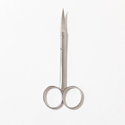
These gentle scissors from Ishihiro Seisakusho are designed with a curved blade tip that lets you cut fabric without damaging it, making fine work easy while delivering excellent sharpness. The blade tip is designed with safety in mind, and the size fits comfortably even in a woman's hand, making it easy for anyone to use.
You can also have the blade sharpened or repaired, so you can use it with peace of mind for 20 or even 30 years.

This duster uses horsehair. The bristles are very soft, and the brush is neatly cut into a round shape so that dust clings to it and is less likely to escape.

This cotton flannel is a soft fabric made from 100% unbleached, undyed cotton.

Made from camphor trees (kusunoki) sourced exclusively from Kyushu, this natural camphor is produced through numerous careful steps and wrapped individually in handmade washi paper. Simply place it in your closet to protect your precious belongings with the refreshing scent of camphor.
List of Raffia and Straw (Natural Plant Material) Brands

HELEN KAMINSKI
A brand born in Sydney, Australia in the early 1980s. Helen Kaminski, a brand of simple, functional hats and bags made from natural materials, creates original collections with themes of nature and rustic simplicity that defy convention. The brand is loved by people around the world, including the wife of a U.S. president.

Sans Arcidet
Corinne, the eldest of three sisters born on the island of Madagascar, achieved success with her first collection using raffia, a specialty product of the island. She was later joined by French twin sisters Sylvie and Myriam, and together they founded Sans Arcidet, based in Paris, France. Sans Arcidet's approach to craftsmanship aims to improve village life by giving the people of Madagascar independent livelihoods through work. The brand also places great importance on the environment, installing purification systems for the water used in its workshops and working to protect local ponds and farmland.

Vlas Blomme
Vlas Blomme launched in 2007. The brand name means "linen flower" in Flemish, the language of the Flanders region of Belgium. Using linen from Kortrijk, Belgium—a city that has flourished for centuries as a center of the linen industry—the brand offers natural yet modern clothing. The products, born from a relentless pursuit of quality linen, are carried by top-tier stores around the world, including in London, Paris, and New York.

pcnq
pcnq is a hat brand born from a small select shop opened by an apparel accessories maker. While keeping designs simple, the brand pays close attention even to the hidden interior details, creating hats meant to be enjoyed by the wearer rather than to make a statement to others. pcnq's approach to craftsmanship is to bring out the character of its materials so that each hat blends naturally into the wearer's personal style—making hats that feel as warm and natural as the air itself.

TANORA
TANORA channels Australia's modern, fashionable sensibility and design through "the humanity and artistry of Madagascar's unique techniques" into sincere craftsmanship. The lace is made using the traditional handcraft of crochet, and the brand puts great effort into training artisans to maintain and pass on traditional techniques, including those for weaving looms. At its workshops in Madagascar, the brand guarantees fair working conditions and wages, providing ongoing employment along with vocational and living support—a brand with a truly sincere approach.

CTH 1885
In the early 1900s, CTH Ericsson significantly expanded its business. In addition to selling hats, the company launched its own brand and began designing and producing hats.
At the time, it became the largest company in the Bålsta district of Sweden, serving as a central presence that energized the town and creating hats loved by people of all ages, from adults to children, generation after generation. Today, CTH 1885 remains a trusted hat brand carrying on the story of that lively history.
GUIDE »
CATEGORIES »
- + Gifts by recipient
- + Gifts by scene
- + Clothing
- + Bags / Backpacks
- + Wallets / Card cases
- + Jewelry
- + Shoes
- + Rainy day outfits
- + Kitchen
- + Home
- + Babies / Kids
- + Japanese products
Earn Miles


Payment & Security