
.jpg)


.jpg)
.jpg)
.jpg)

- トップページ/
- ZUTTO Journal/
- お手入れ・エイジング/
- Material Care Enc...

Material Care Guide"Silver"
Table of Contents)
・How to Care for Silver Accessories
・List of Brands Featuring Silver Accessories
What is Silver

Silver is a chemical element represented by the symbol Ag, and is known for its beautiful luster and shine. It is widely used in familiar items such as rings, necklaces, bracelets, and earrings. It is also used in silverware and as decorative elements or handles on furniture.
Among silver types, pure silver refers to silver with a purity of 99.9% or higher, making it the purest form. However, because of its softness, it is typically alloyed with other metals to increase hardness for use in jewelry and similar products. Sterling silver, meanwhile, contains 92.5% silver, with the remaining 7.5% usually consisting of copper and other metals.
About the Material
Every material has its strengths and weaknesses, and silver is no exception. Here are some of the advantages and challenges of working with silver.
❶Being a relatively soft material, silver is easy to process and reshape, allowing for intricate designs and complex patterns.
❷Silver conducts both electricity and heat, which is why it is widely used in fields such as electronics and electrical wiring.
❸It is a relatively hard material and offers good durability.
❶Silver tends to tarnish when it reacts with sulfides and moisture in the air. Blackening and oxidation of silver occur gradually over time.
❷Because it is a soft material, silver is relatively prone to scratches and deformation, and fine details or delicate parts can be especially susceptible to damage.
Pure silver is white in color and may darken due to oxidation or sulfidation, but with regular maintenance, it is a material that can be enjoyed for a long time.
How to Handle Silver
When You First Start Using It
When using silver products, it is important to avoid contact with chemicals and other substances. In particular, be careful not to let hand cream, perfume, cosmetics, or detergents come into direct contact with silver. These substances can scratch or discolor the surface of silver.
After Wearing
・Since silver may come into contact with sweat and skin oils while being worn, gently wipe it with a soft cloth or a silver cleaning cloth after use. Dirt tends to accumulate in fine details or grooves on jewelry, so be sure to clean these areas carefully.
・To remove light dirt or surface residue, you can wash silver items using lukewarm water and a neutral detergent. After washing, rinse thoroughly, wipe away moisture, and allow the item to dry completely.
・If dirt or oxidation is stubborn, use a dedicated silver cleaner.
Storage
Because silver is prone to oxidation, it is important to protect it when not in use. When storing silver accessories, use a dedicated storage pouch, such as a jewelry box or cloth pouch, to protect them from air and moisture.

When You Have Trouble

◆If Your Skin Becomes Itchy, Develops a Rash, or Becomes Irritated
If you experience an allergic reaction on your skin, it is important to stop using the item. Rest your skin until symptoms improve, and if they persist, consult a doctor. It is also recommended to get an allergy test.
◆If the Silver Darkens or Discolors
Regular cleaning and proper storage of silver items are important to prevent oxidation and discoloration. Using a dedicated silver cleaning solution or cloth to remove dirt and oxidation, then drying the item thoroughly, can restore its shine.
How to Care for Silver Accessories
◆How to Care for Silver Using TOWNTALK Silver Care Products
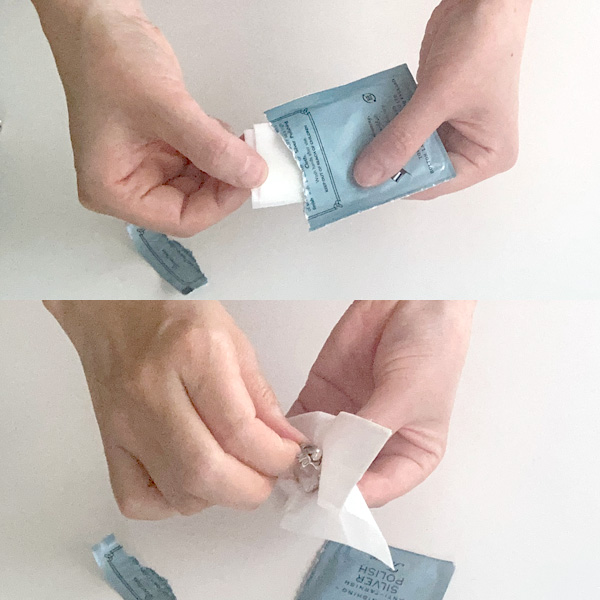
These convenient, portable silver jewelry care products make maintenance easy. Use the dedicated wet wipes to wipe away discoloration and dirt, and once the item has dried, polish it with the included silver cloth. This care kit comes with a pack of 8 dedicated wet wipes and a pink silver cloth.
【For Light Dirt or Tarnish】
Polish with a cloth containing ultra-fine abrasive particles. Since it also contains special cleaning agents, polishing with this cloth helps slow down discoloration (caused by sulfidation and oxidation) at the same time.

【For Tarnish in Crevices That a Cloth Can't Reach】
Convenient liquid cleaners or spray-type products can clean even the fine crevices of intricately designed accessories.

【For an Easier Way to Polish Than Liquid Cleaner】
Wet cloths containing cleaning solution allow for easy polishing.

【When Dirt Is Severe】
For dirt that cannot be removed simply by soaking in cloth or liquid cleaner, scrub it with the included brush.


◆How to care for silver with baking soda

Soaking it in baking soda dissolved in lukewarm water also works well. Line a heat-resistant container (not made of metal) with crumpled aluminum foil, dissolve baking soda in hot water at a ratio of 1 part baking soda to 3 parts water, and place your silver accessory inside. After about 30 minutes, take it out, and the dirt will be gone and it will look clean and bright.
List of brands related to silver products

STUDEBAKER METALS (Studebaker Metals)
This brand was created by Michael Studebaker and Alyssa Catalano, two skilled and experienced metalsmiths. Unlike mass-produced machine-made pieces, their work is inspired by a deep love of metalworking, and uses three types of materials: silver, copper, and brass (brass). You can enjoy the way the metal ages and develops character over time, making these pieces the kind of items you'll want to pass down like family heirlooms.

FIRST AMERICAN TRADERS (First American Traders)
Since its founding in 1974 in Gallup, New Mexico, this maker has been creating pieces with the belief that traditional Native American silver jewelry design should be preserved for future generations. The jewelry is made using silver alloys known as Sterling silver or 925 silver, allowing you to enjoy the lustrous shine and texture unique to silver.

TOWNTALK (Towntalk)
TOWNTALK was born in England in the early 1890s, during the Victorian era. With a history spanning more than 110 years, this British maker produces cleaners for gold, silver, pearls, and household items. Prioritizing a policy of being "kind to the earth and to people," the maker develops new products aimed at achieving both safety and quality assurance, and its products have been beloved around the world for over 100 years.
GUIDE »
CATEGORIES »
- + Gifts by recipient
- + Gifts by scene
- + Clothing
- + Bags / Backpacks
- + Wallets / Card cases
- + Jewelry
- + Shoes
- + Rainy day outfits
- + Kitchen
- + Home
- + Babies / Kids
- + Japanese products
Earn Miles


Payment & Security